A good barber changes more than your hair. Walk around with a clean fade for a month and watch how you carry yourself. The problem: Guelph has plenty of chairs, and from the outside they all promise the same thing.
This is the filter. Six things that separate a barber you'll keep for years from a chair you'll quietly stop booking. None of them require insider knowledge — just knowing where to look.
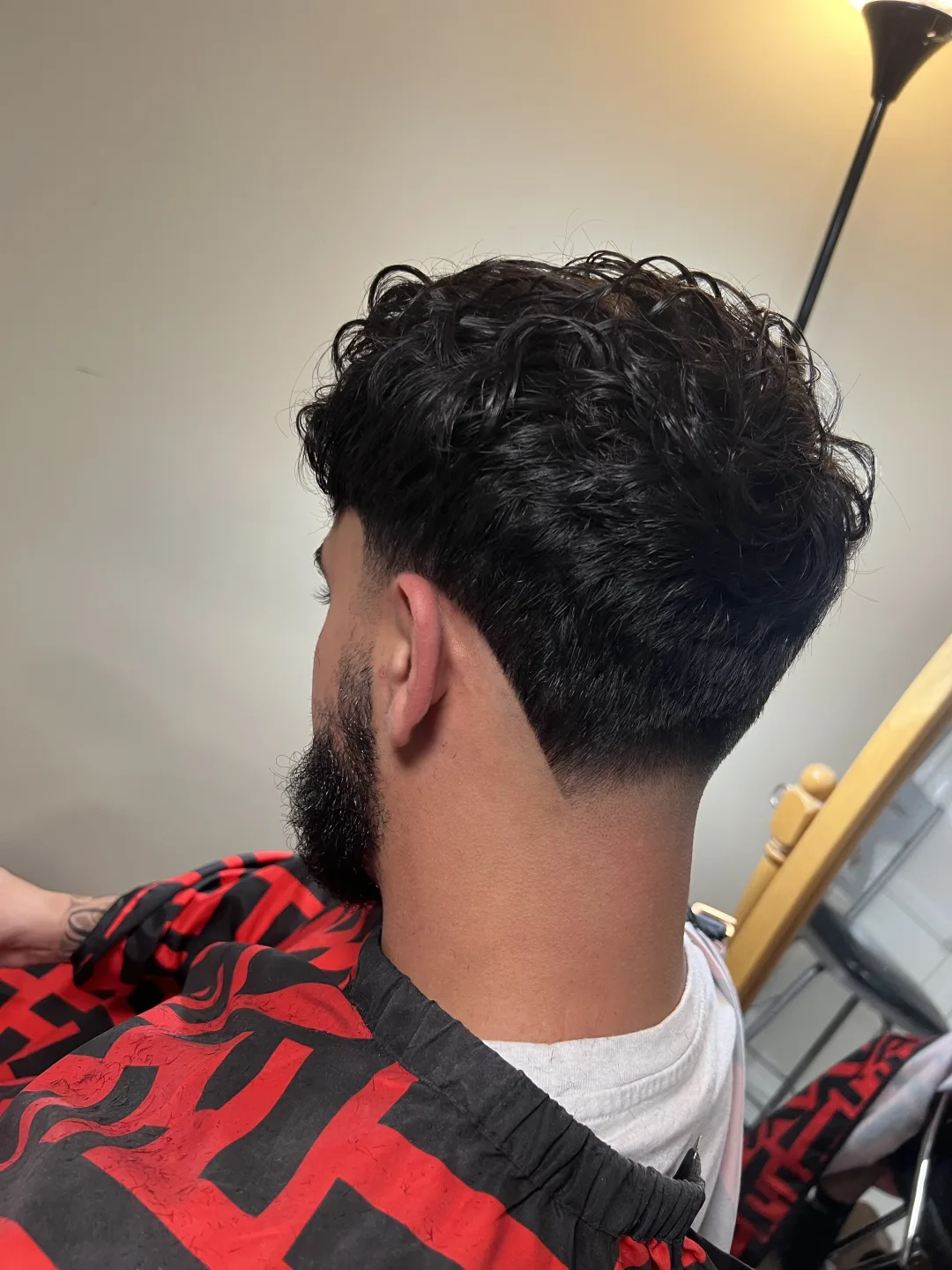
What Should You Look for in a Barber's Portfolio?
Start where everyone starts — photos. But read them like a barber, not a customer.
- Recency. A page full of great cuts from two years ago tells you less than a steady stream from the last few weeks. Consistency over time is the skill.
- Your hair type. Straight, curly, coily, thick, fine — blending techniques differ. Look for clients whose hair behaves like yours, not just whose cut you like.
- The details. Zoom in on the blend. Are the transitions smooth or steppy? Is the lineup crisp? Is the neckline finished or forgotten?
- Honest lighting. Every cut looks sharp under a ring light with product in it. The strongest portfolios show work that would survive daylight.
One viral photo means the barber had a good day. Fifty solid ones mean they have a good standard.
Why Does the Consultation Matter So Much?
The consultation is the cut. Everything after it is execution.
A barber worth keeping asks questions before the clippers come out: How do you style it in the morning? What did you hate about your last cut? Where does it grow weird? What's your maintenance tolerance? Those answers change the cut — guard lengths, weight placement, how high the fade sits.
If a barber starts cutting off a two-word description, they're cutting the haircut they feel like doing, not the one you asked for. And if you're not sure how to explain what you want, that's normal — we wrote a full guide on what to tell your barber so you can walk in with the right words.
Quick test on your first visit: count the questions they ask before cutting. Zero is a red flag. Three or more is a barber who plans to get it right.
Appointments or Walk-Ins — Which Model Suits You?
Guelph shops run both ways, and the model shapes the experience more than most people realize.
Walk-in shops trade certainty for spontaneity. You go when you're free — and you wait however long the line dictates, then get whichever chair opens up. Appointment shops flip it: you book a time, the time is yours, and the barber has planned their day around giving your cut its full slot.
If you want the same barber, the same standard, and zero dead time in a waiting area, appointments win. If your schedule is chaos and any competent cut will do, walk-ins have their place. We break down the trade-offs fully in appointments vs walk-ins.
One more angle: how a shop books tells you how it thinks. A tight booking system usually means a barber who respects their own time — and yours.
Already sold? Skip ahead and book the chair →
Does the Shop Environment Actually Matter?
More than the decor suggests. The environment is a preview of the work.
Cleanliness first. Sanitized tools, fresh neck strips, a swept floor. A barber careless about their station is rarely meticulous about your blend.
Then attention. In a packed multi-chair shop, your barber is managing a queue, conversations, and a clock. Some handle it brilliantly. But there's a reason private studios exist: one chair, one client, zero split focus. Nobody's hovering, nobody's next, and the barber's entire booking belongs to you.
Finally, atmosphere. You'll spend thirty to sixty minutes here every few weeks for years. If the vibe makes you want to leave faster, that friction eventually beats the haircut, and you'll drift to whatever's convenient. Pick a chair you look forward to sitting in.
How Do You Test a New Barber Without Risking It?
You don't need to gamble your whole look on a stranger. Run a controlled trial.
- Book conservative. First visit, ask for your current style cleaned up — not a reinvention. You're testing execution, not creativity.
- Bring references. A photo of your own best haircut beats any description.
- Judge at week two. Day-one sharpness is table stakes. A properly built cut still holds its shape fourteen days later. That's the real scorecard.
- Give one revision. Great barbers dial you in over two or three visits as they learn your head. Same mistake twice, though, is an answer.
Found someone who passes? Lock them in and stop shopping. Consistency with one barber beats novelty with five — they learn your hair, your growth pattern, and your preferences until "the usual" is all you ever need to say.
What Does This Look Like at Studio K?
Studio K was built around everything above. It's a private, one-chair barbershop in Guelph's south end — every cut starts with a real consultation, every booking gets the full time it needs, and there's never a line behind you pressuring the blend.
Skin fades, signature cuts, beard work, hot towel shaves — the full menu is on the services page with current pricing. If you're ready to run your first-visit test on us, book a chair. We're confident about week two.