The first week after a fresh fade is a different life. The lineup is crisp, the blend is seamless, the mirror is your friend. Then week two rolls in, the edges soften, and by week three you're reaching for a hat. It doesn't have to fall apart that fast.
You can't re-fade your own head — and you shouldn't try — but you can absolutely stretch the sharp phase and make the grow-out look deliberate. Here's the playbook.
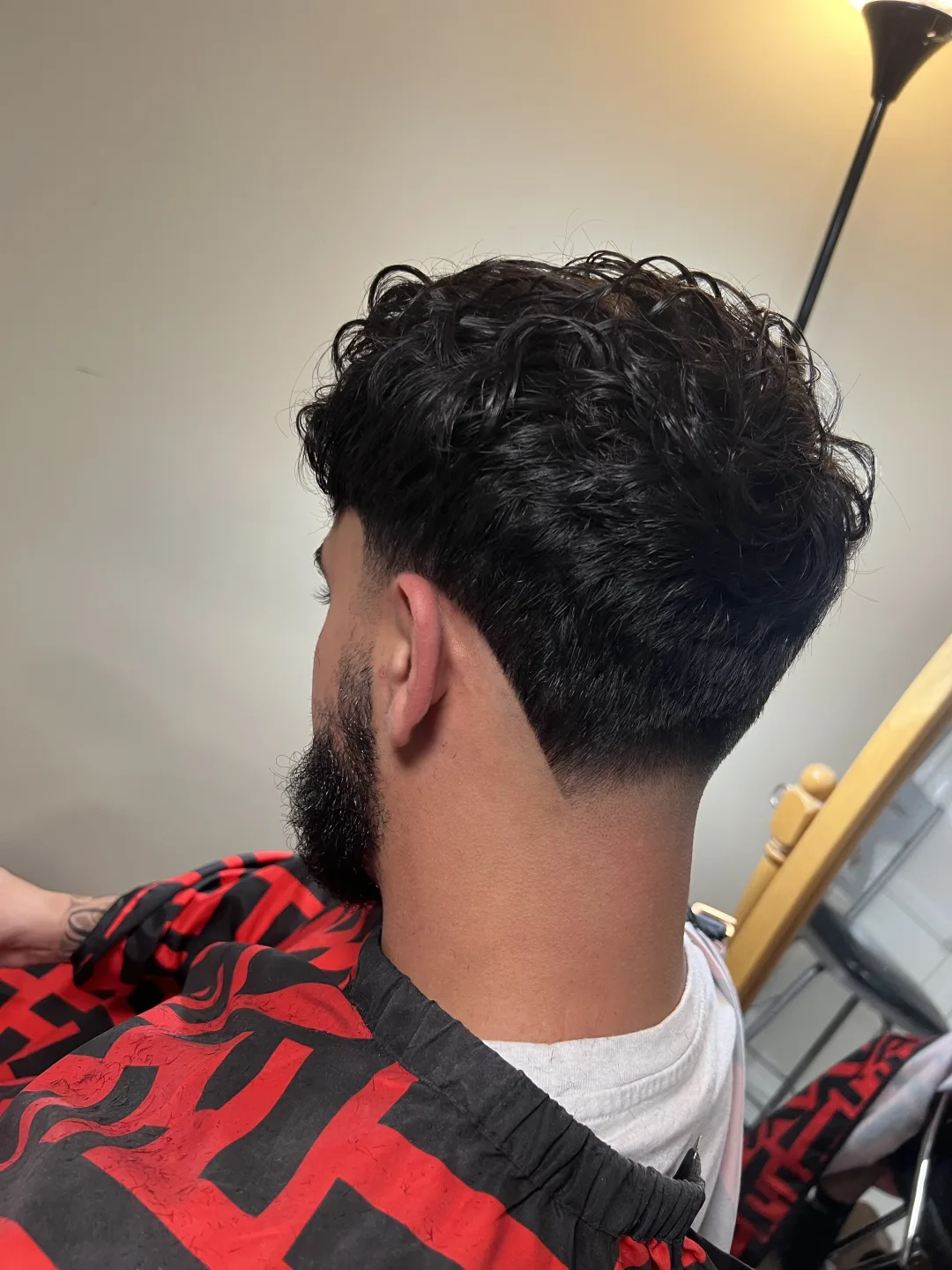
Why does a fade grow out so fast?
Hair grows about a centimetre a month, give or take. On top, that's nothing. On a fade, it's everything — because a fade is built on contrast. The bottom is skin or near-skin, so even three or four days of stubble starts to blur the gradient. The lineup softens. The transition creeps. The cut doesn't get bad, exactly — it just stops being crisp.
That's not a flaw in the haircut. It's physics. The tighter the fade, the more visible the regrowth, which is why a skin fade looks its absolute best on day one and asks the most of you afterwards. Knowing that going in lets you plan around it instead of being surprised by it every single time.
How often should you rebook?
For a fade that always sits somewhere between fresh and fine, every two to three weeks is the rhythm. Two weeks if you're wearing skin at the bottom or your work demands sharp every day. Three if your fade starts a little higher off the skin. Past four weeks, you don't have a fade anymore — you have a grow-out.
The single best habit: book your next appointment before you leave the chair. It takes ten seconds, it locks your spot in a one-chair studio where the slots are genuinely limited, and it kills the “I'll book when it looks bad” trap — because by the time it looks bad, you're already a week late. We dig deeper into the timing in how often you should get a haircut.
What daily habits keep a fade sharp?
Small things, done daily, buy you real time:
- Moisturize the hairline and faded skin. Dry, flaky skin around a fade reads as neglect. A light moisturizer keeps the bare sections looking as intentional as they did in the chair.
- Brush with the grain. Training the top to lie the way it was cut keeps the shape reading clean even as everything grows.
- Sleep smart. A durag or a silk pillowcase protects waves and curls and stops the top from growing in six directions at once.
- Wash, but don't strip. Shampoo a couple of times a week, rinse and condition in between. Clean hair holds its shape; stripped hair frizzes and fights you.
- Watch the hats. Nothing wrong with one — just don't jam a sweaty cap on styled hair every day and expect the shape to survive the season.
Already sold? Skip ahead and book the chair →
Should you touch up your own lineup?
Short answer: no. Long answer: absolutely not.
The lineup is the sharpest, least forgiving part of the whole cut. One over-eager pass at your own hairline in a foggy bathroom mirror and you've pushed your corner back half an inch — and now every haircut for the next two months is damage control. Barbers see the aftermath every week. Nobody has ever self-lined their way to a better haircut.
If you must do something between visits, keep it to the loose fuzz on the back of the neck, below the natural hairline — trimmer, no guard, low ambition. Everything above that line belongs to the chair, full stop.
Which products actually help?
Product won't slow the grow-out, but the right one keeps the cut looking styled instead of shaggy. A matte clay or paste gives the top texture and hold without shine — and matte hides early regrowth far better than anything slick, because shine highlights every uneven millimetre.
Keep product off the faded sections entirely. Waxy buildup on short hair looks greasy and collects lint like Velcro. Style the top, leave the fade alone, and let a dab of moisturizer handle the skin.
If you're not sure which texture suits your hair type, we broke the whole shelf down in pomade vs clay vs paste.
When is it officially time to book?
The signs, in order of appearance: the lineup goes soft around day seven to ten. The blend starts blurring into one length by week two. The back of the neck gets fuzzy. The top stops doing what you tell it in the morning. Once you're seeing two of those, you're due.
Don't wait for all four. The whole point of a fade is that it looks deliberate — and a fade in week four looks like an accident. Book the chair at Studio K in Guelph, get back to day one, and this time lock in the follow-up before you walk out the door.